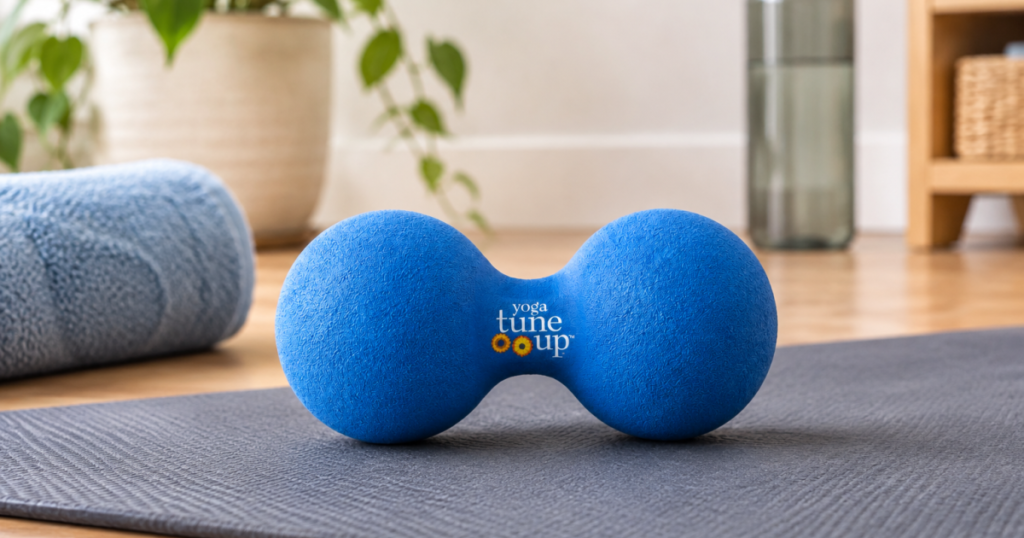
The Tune Up Fitness Yoga Tune Up Therapy Ball Pair review comes down to a simple question: do you want a small, manual tool for targeted pressure, or would your body prefer something broader and gentler? This pair is easy to understand: two small grippy massage therapy balls designed for focused self-massage, including smaller areas such as the neck and feet. The appeal is not a long feature list. It is the ability to add precise pressure to short home recovery moments without turning recovery into another chore.
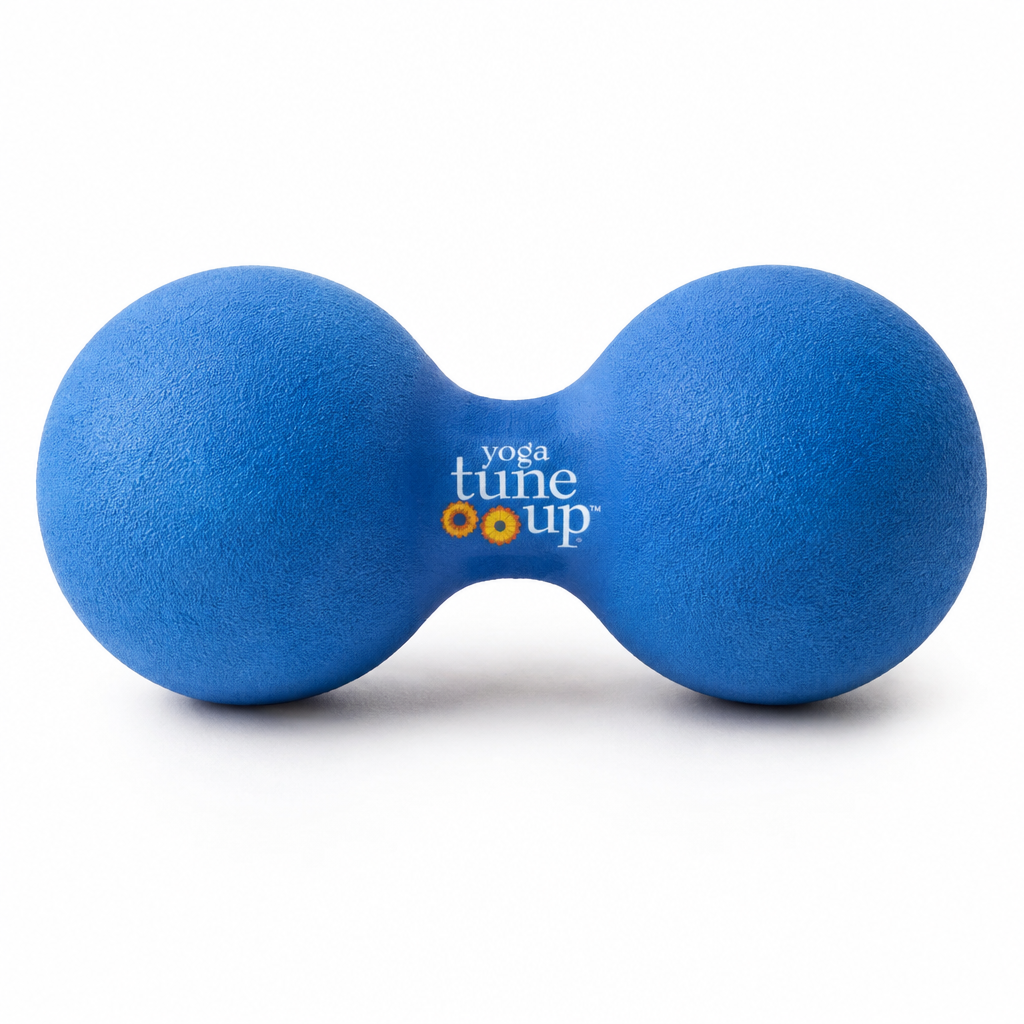
Tune Up Fitness Yoga Tune Up Therapy Ball Pair
Best for targeted, portable pressure when you want a small tool that fits into short recovery routines
The Tune Up Fitness Yoga Tune Up Therapy Ball Pair is best read as a compact pressure tool, not a full-body roller replacement. It suits the kind of recovery routine where you want to spend a few calm minutes working into a specific spot after walking, lifting, Pilates, travel, or a desk-heavy day. The trade-off is just as clear: targeted deeper thumblike pressure is not the same experience as a soft, broad roller.
Diagnosis or treatment of persistent, severe, unexplained, or worsening pain should be handled by a qualified healthcare professional in line with applicable healthcare regulations and standards of care.
Pros & Cons
Pros
- Small 2.5 in pair is well suited to focused work on smaller areas.
- Portable format makes it easy to keep near a mat, desk, bed, or travel bag.
- Manual rolling and static pressure keep the routine simple and low-friction.
- Typical $14.95 price keeps it accessible for a first targeted-pressure tool.
Cons
- Deeper thumblike pressure may feel too focused for readers who prefer broad, gentle rolling.
- No heat function, so it will not replace a warmth-based wind-down tool.
Product Details
- Product type: Massage therapy balls.
- What you get: Two balls per tote.
- Size: 2.5 in diameter each.
- Intensity style: Targeted deeper thumblike pressure.
- Use style: Manual rolling pressure and static pressure.
- Portability: Yes.
- Heat function: No heat function.
- Typical price: $14.95.
- Target areas: Smaller targeted areas across the body, including neck and feet.
If you like comparing tools by intensity, body area, and routine fit, the product also sits naturally inside our Yoga Tune Up Therapy Ball Pair tool profile.
The main reason to choose it: precise pressure in a tiny footprint
The strongest case for this pair is precision. A 2.5 in ball is not trying to cover the whole back, thigh, or calf in one sweep. It is built for smaller, more targeted work where a foam roller can feel clumsy. That makes sense for feet, neck-adjacent areas, shoulders, glutes, and other spots where a large cylinder can feel like the wrong tool for the job.
The phrase “targeted deeper thumblike pressure” matters. It sets the expectation before you buy. This is not the softest entry point into self-massage, and it is not a cushy wind-down pillow in ball form. It is closer to using focused manual pressure, except the ball lets the floor, wall, or your hand do part of the work. For some bodies, that focused feel is exactly the point. For others, it can be more pressure than they want after a tiring day.
That is why this pair makes the most sense for someone who already knows she likes small-area pressure and wants more control than a big roller offers. If your best recovery sessions are slow, specific, and body-aware, the format is a good match. If you mostly want gentle rolling while half-watching a show, a softer foam roller may be easier to repeat.
Manual use keeps the routine simple
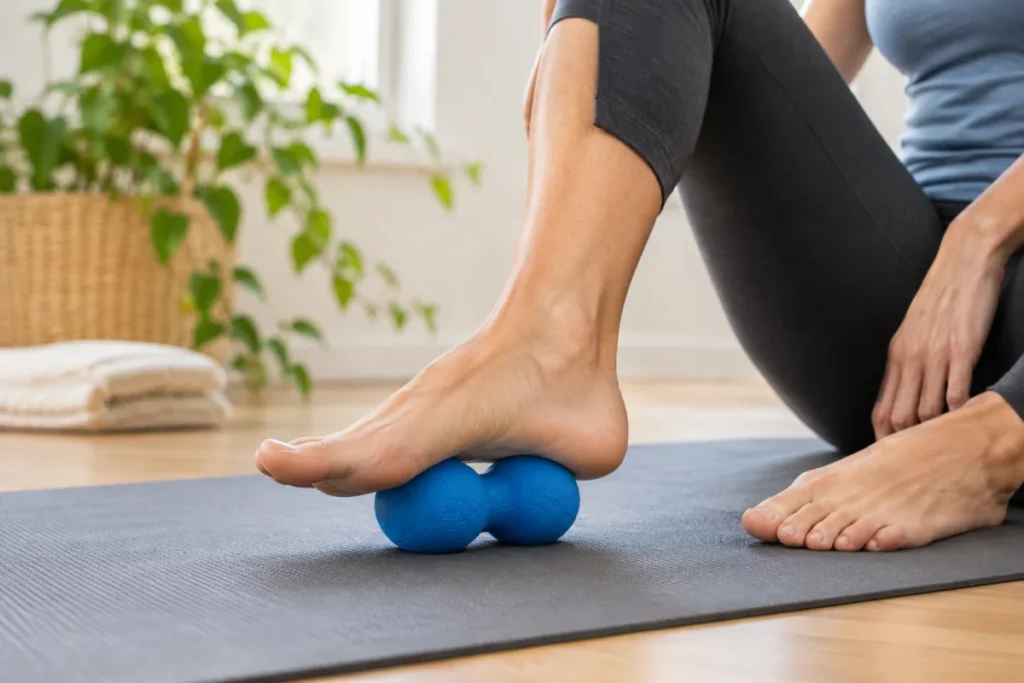
Because this is a manual tool, the ownership experience is refreshingly low-friction. There are no modes to learn beyond the two that matter here: rolling pressure and static pressure. Rolling is useful when you want gradual movement across a small area. Static pressure is better when you want to pause, breathe, and let your body decide whether the sensation feels useful or too much.
That simplicity is a bigger advantage than it sounds. Home recovery tools often fail because they add steps: find the charger, clear a large floor area, pick a setting, decide whether the tool is too loud for the room. A pair of small massage balls does not require that kind of ceremony. It can live near a mat, under a desk, or in a travel bag, and that makes a short session more likely to happen.
The important part is not chasing intensity. A deeper tool does not need to be used aggressively to be worthwhile. For home recovery, a better rule is to keep pressure calm enough that you can breathe normally and relax around it. If you find yourself bracing, holding your breath, or trying to “win” against the ball, back off. Recovery does not need a dramatic plot twist.
Portability is a real advantage for walkers, lifters, and Pilates regulars
The confirmed portability is one of the most practical reasons this pair earns a place in a small recovery setup. A tool this compact can fit into routines that happen in real life: five minutes after a long walk, a quick foot session before bed, or a few targeted passes after lower-body strength work. It does not demand a dedicated recovery corner or much storage space.
The two-ball format also helps with routine flow. You have a pair to work with rather than a single loose ball, which is useful when you want symmetry or simply want one tool available while the other is nearby. The evidence here does not support claiming a special training method or clinical effect, but from an ownership standpoint, having two small tools instead of one is practically convenient.
The portability also makes it a sensible travel companion for readers who get stiff from sitting, walking more than usual, or sleeping in unfamiliar setups. Again, that does not make it a treatment device. It just means the tool is small enough to come along when a full roller would be laughably optimistic.
The pressure profile is the biggest make-or-break factor
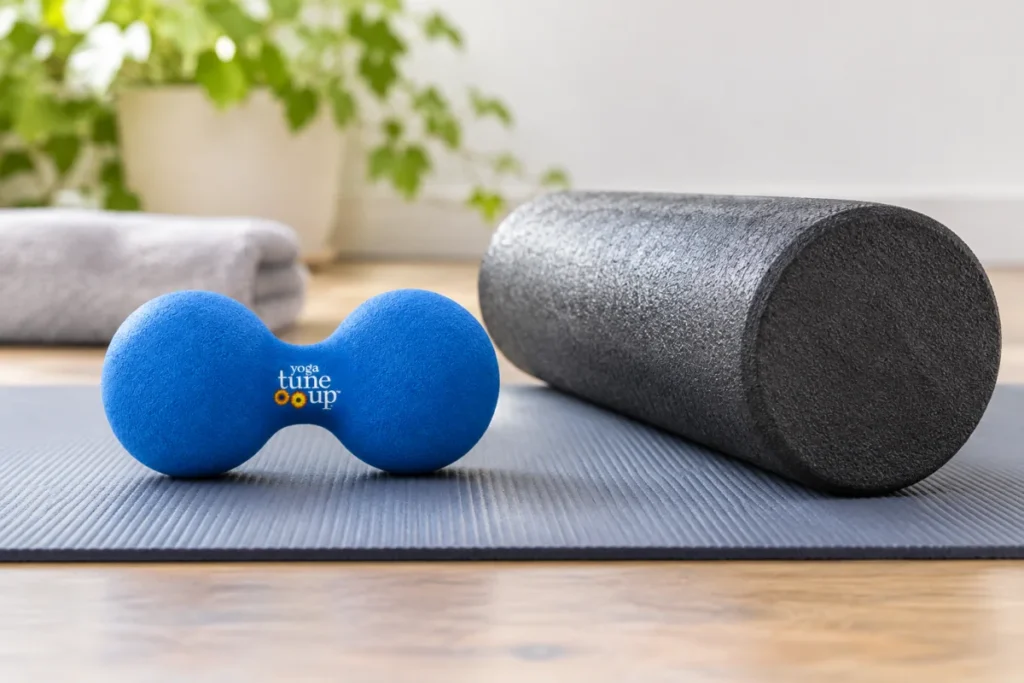
This is where the buying decision gets personal. Targeted deeper pressure is a strength only if that is the sensation you actually want. Massage balls concentrate pressure into a smaller contact point than a foam roller, and this pair is specifically positioned around a thumblike feel. That can be satisfying when you want focused work. It can also feel like too much if you prefer a broad, forgiving surface.
For beginners, the smartest way to think about this tool is not “more effective” versus “less effective.” Think “more specific” versus “more general.” A soft-density roller such as the OPTP PRO-Roller Soft is a better conceptual alternative when you want broad, gentler pressure across larger areas. A stretch strap such as the Manduka UnfoLD Yoga Strap belongs in a different lane altogether: assisted stretching rather than pressure-based self-massage.
The Tune Up Fitness pair sits between those experiences as a compact, targeted pressure option. It is not trying to replace stretching, mobility work, rest, warmth, or a broader roller. It is best as one small tool in a realistic recovery menu, especially for days when one or two areas are asking for attention and you do not want to set up a full routine.
Value depends on whether you will actually use focused pressure
At a typical price of $14.95, the value case is strong for the right person. This is not a high-commitment purchase compared with powered recovery tools, compression systems, or larger equipment. The bigger question is not whether the price looks reasonable on paper. It is whether the pressure style matches your body well enough to earn repeat use.
If you already reach for a tennis ball, lacrosse ball, or the corner of a foam roller to get more targeted pressure, this pair is a more purpose-built version of that habit. If you tend to abandon firm tools after one intense session, the lower price does not magically make it a better fit. A tool that lives in a drawer is not a bargain; it is just very organized clutter.
As with all product-led content on Active Recovery Room, our affiliate disclosure explains how commerce may support our work while editorial fit stays focused on usefulness, comfort, and realistic routines.
Where it fits best in a home recovery setup
The Tune Up Fitness Yoga Tune Up Therapy Ball Pair is most convincing as a small-space, targeted-pressure tool for active women who want recovery to feel doable. It is easy to picture near a yoga mat, beside a bed, in a gym bag, or next to the spot where you already stretch after walks or workouts. Because it is manual and portable, it asks very little from your schedule.
It is less ideal as a first recovery tool for someone who wants soft, broad comfort. It also does not provide heat, so it will not replace a heating pad or heat wrap for readers who rely on warmth as part of their wind-down routine. That is not a flaw so much as a clear boundary: this is a pressure tool, not a warmth tool.
The best use case is short and specific. Pick one area, use light-to-moderate pressure, and keep the session calm enough that your nervous system is not treating it like a surprise workout. Used that way, the pair can support a more consistent habit: not a heroic recovery session, just a small repeatable one.
Verdict
Score: 8.6/10. The Tune Up Fitness Yoga Tune Up Therapy Ball Pair earns its score through three things that matter in daily ownership: precise targeted pressure, true portability, and a low typical price of $14.95. Its clearest limitation is that the same deeper thumblike pressure that makes it useful can be too focused for readers who want a softer, broader recovery feel. If you like specific manual pressure for feet, neck-adjacent areas, and other smaller spots, it is a sensible, compact tool to consider. If your body prefers gentle coverage or heat-led relaxation, start elsewhere.
Tune Up Fitness Yoga Tune Up Therapy Ball Pair
Best for targeted, portable pressure when you want a small tool that fits into short recovery routines
You might also like: Home Recovery Tool Finder.